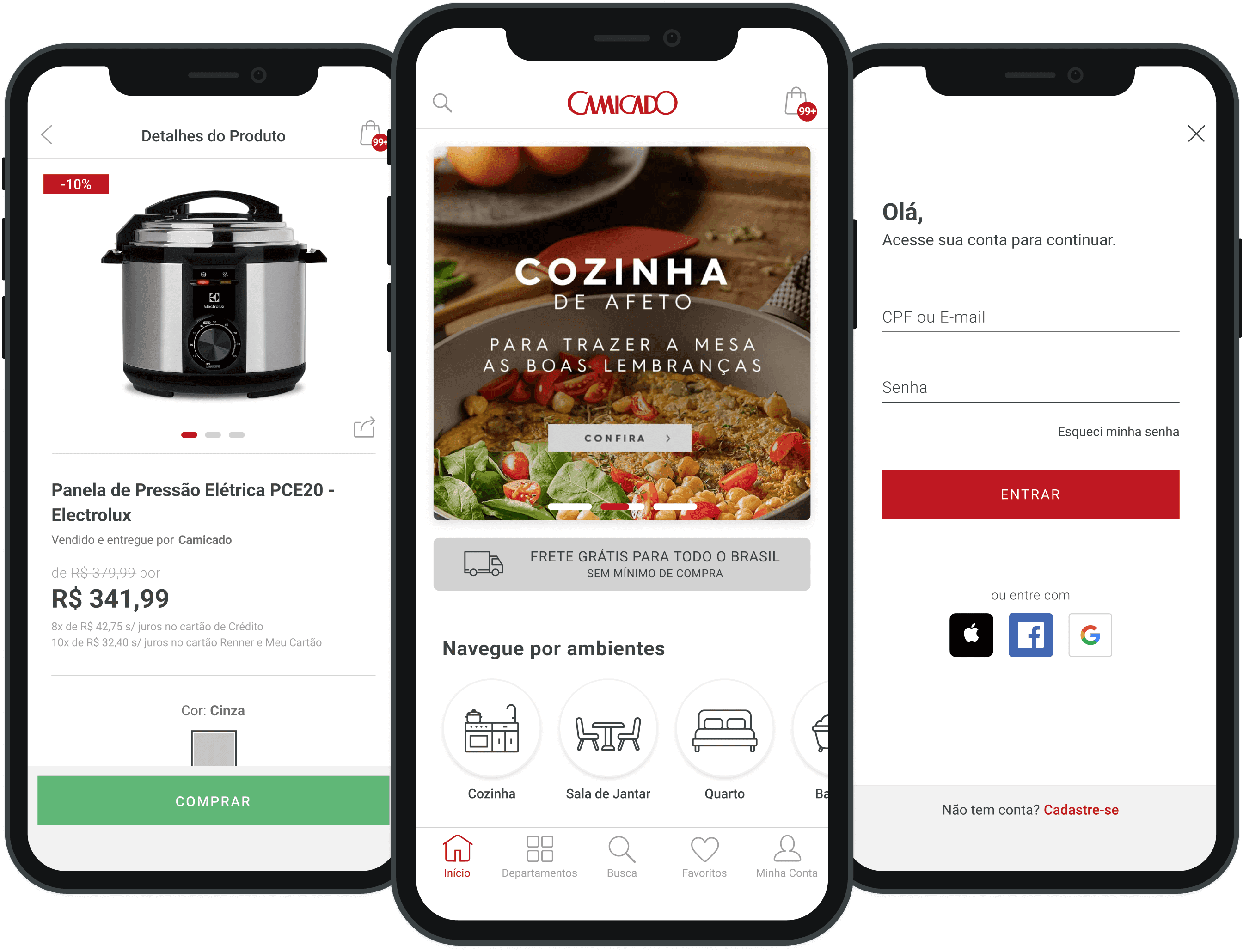
Camicado is a network of stores with over 25 years of specialization in the Home and Decor market, the company provides a great variety of products, and it is specialized in wedding lists as well.
I have joined the project to create the company's application from scratch, focusing on sales and on the flow of wedding lists.
My Role
UX/UI Designer
Responsabilities
User research, UX design, service design, UI design, design system
My Crew
1 PO, 2 QA, 6 developers
Timeline
Jun 2018 - Aug 2020
The beginning of the project
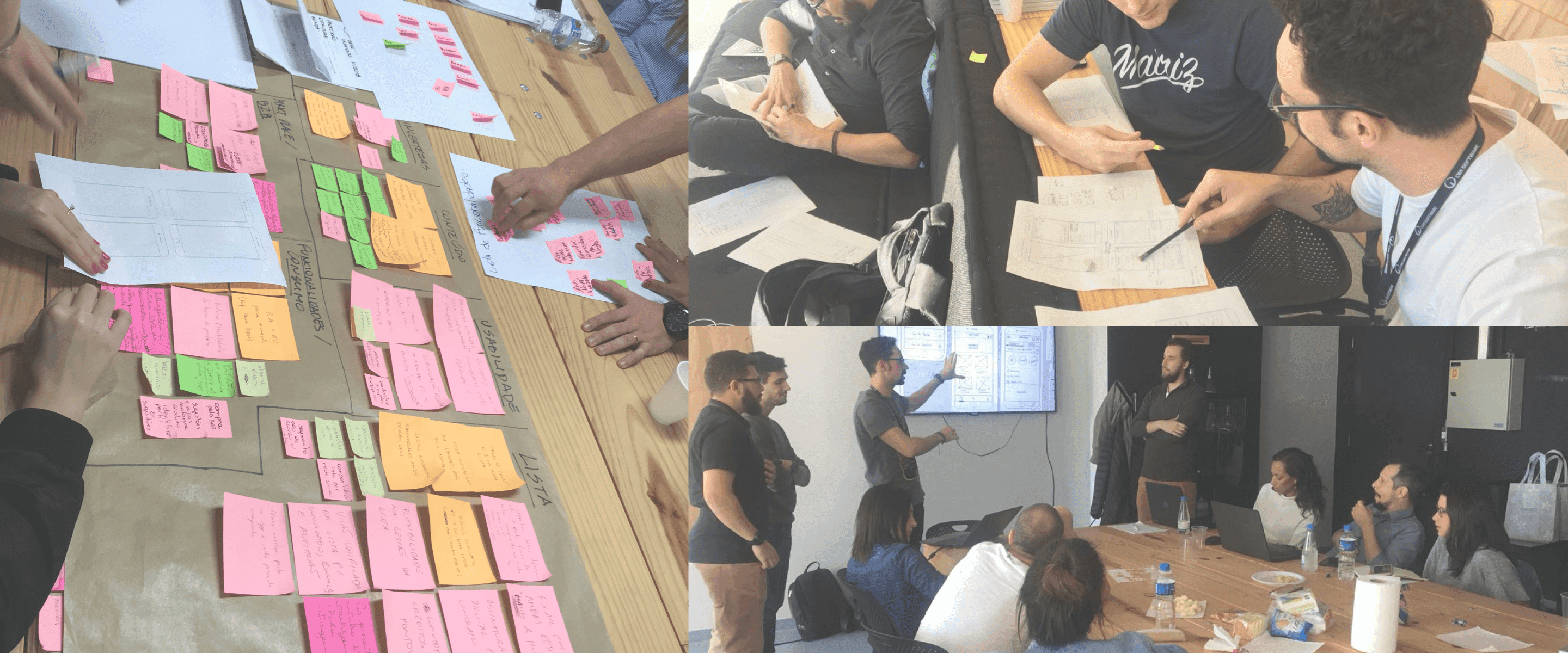
To begin, a design thinking session was structured with the client, in order to define the objectives, flowchart and prioritization. There were 4 eight-hour meetings, with members representing the client's business area, team of developers, technical leaders and designers.
We had a challenge defined by the client and, divided into 2 groups, we went through 3 stages of the design thinking process:
Immersion
After understanding the business and presenting the benchmarks (research which I conducted days before the session), we carried out field researches to seek information about the market and trends. Then, we identified patterns with potential value deliveries.
To create Personas, we conducted phone interviews with a number of company customers, then we used the empathy map tool, so that we could define a value proposition.
Ideation
While defining the value proposition, we generated insights in each group, and then we presented them to the people present at that moment, in order to debate about that. The ideas were categorized and detailed in large group.
Prototyping
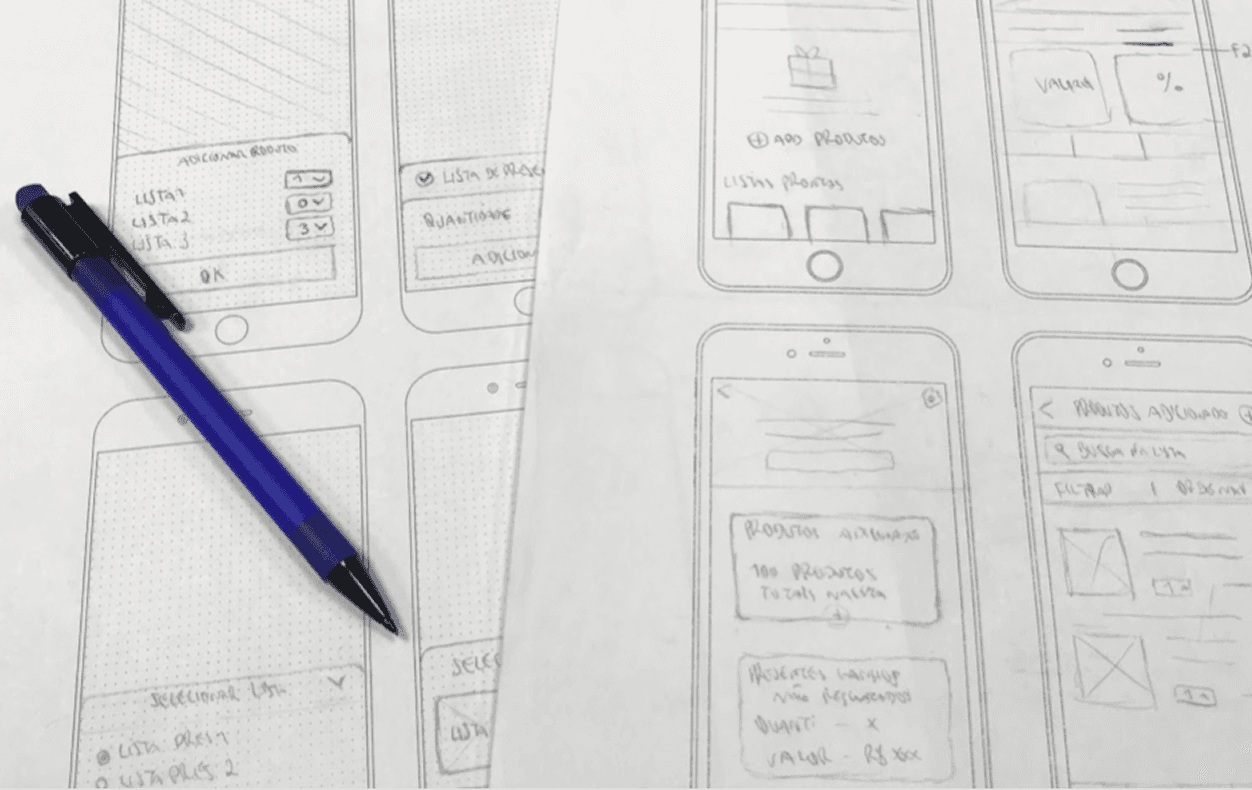
In the third step, from the list of features, we created prototypes of low fidelity with the development team. We generated a flow with the sketches to be presented to the large group and ended the session with the list of prioritized features for the project's MVP.
Construction of MVP
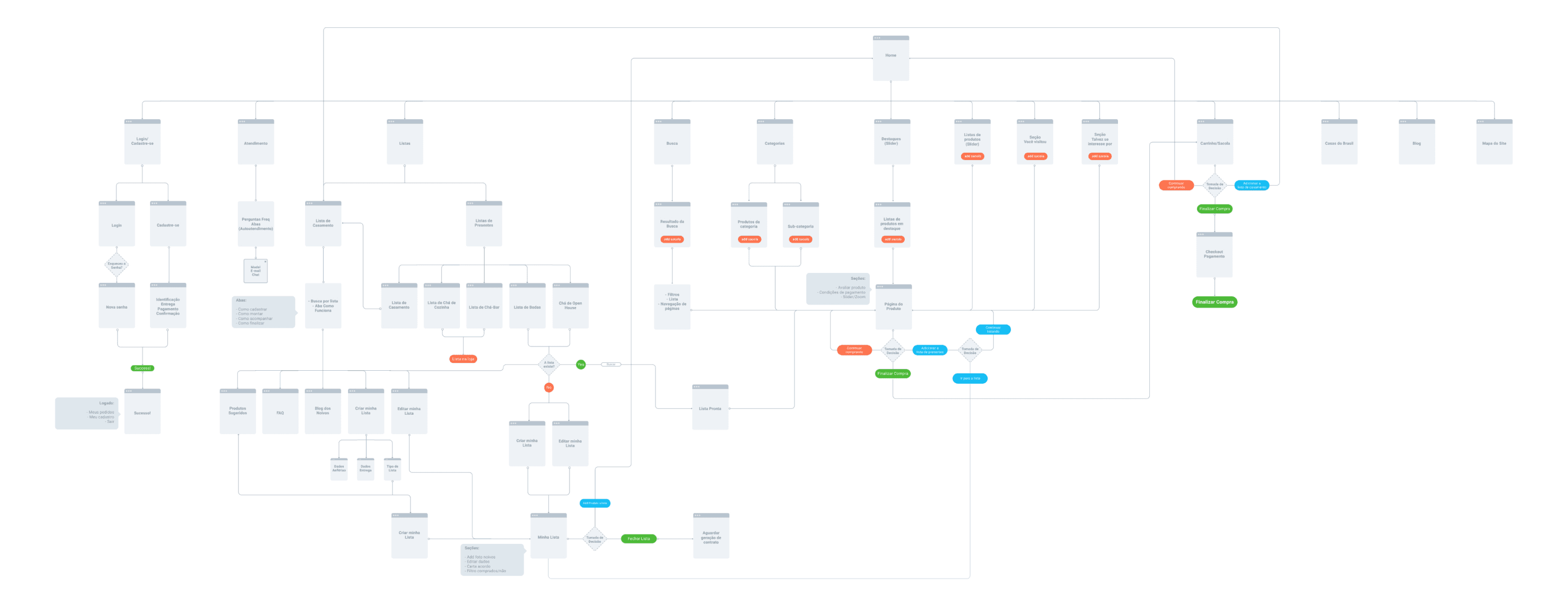
Based on the flow and sketches created in the Design Thinking session, we started the construction of the application. In the Sprint Zero, I created a flowchart with the main points defined in the session comparing with the website flow.
Role and Process
My role was to create and deliver MVP within the time limit, fulfilling the goal of having a functional e-commerce, so that it could give the client financial return.
After delivery, the focus was divided between improving the experience and creating new features.
Since I was the only designer in the team, I followed my own creation process based on the Double Diamond, following the main tasks assigned by the PO as well.

Understand the business area needs
Desk Research
Benchmarks
Low fidelity prototype
High fidelity prototype
Usability tests
Refine
Handoff
Documentation
Usability tests
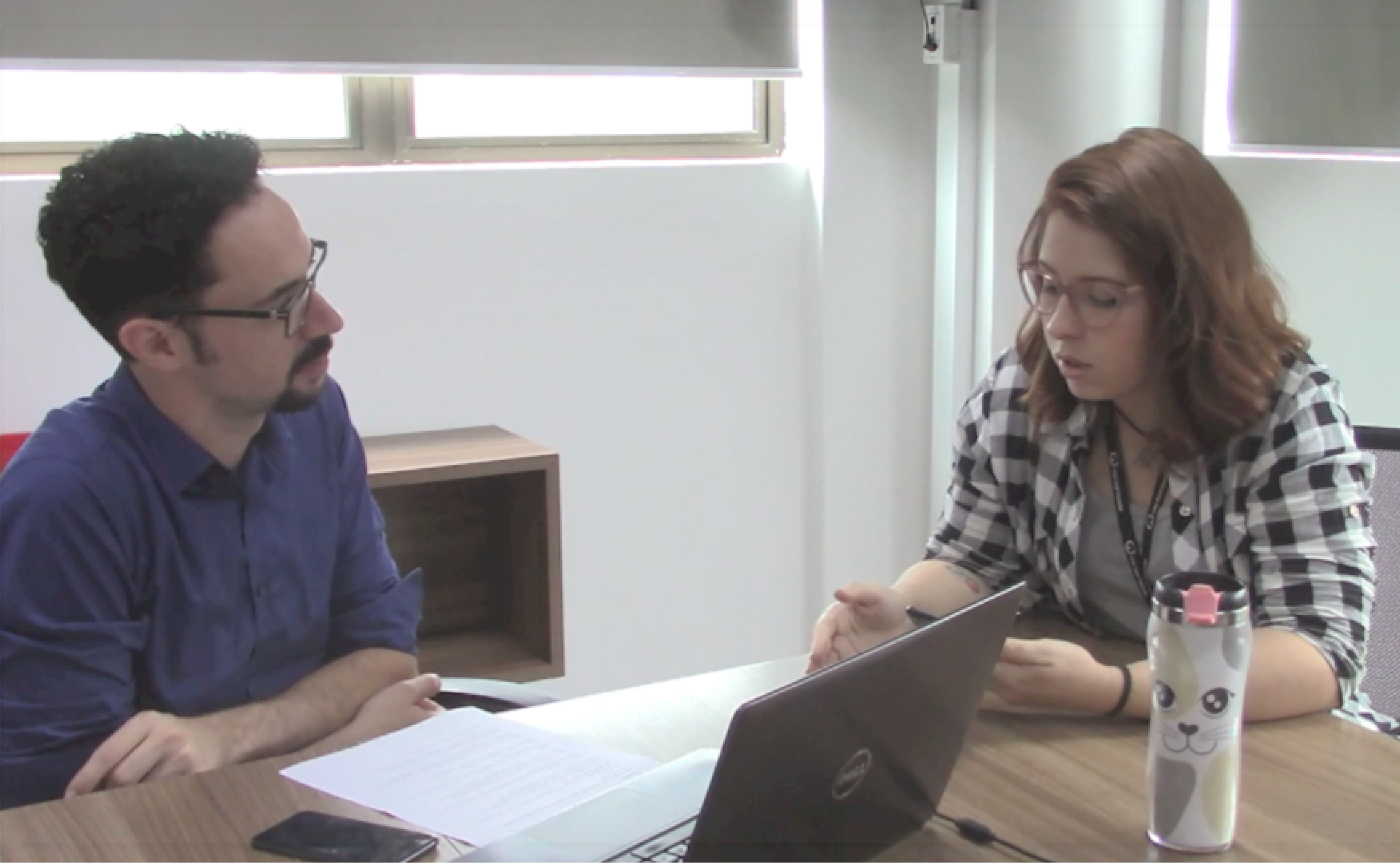
In addition to quick tests with the team members, I had the opportunity to apply usability tests with the brand customers.
One of the tests focused on the gift list, and the main goal was to evaluate the creation flow and the addition of products to the user’s list. Face-to-face tests were carried out with 8 people.
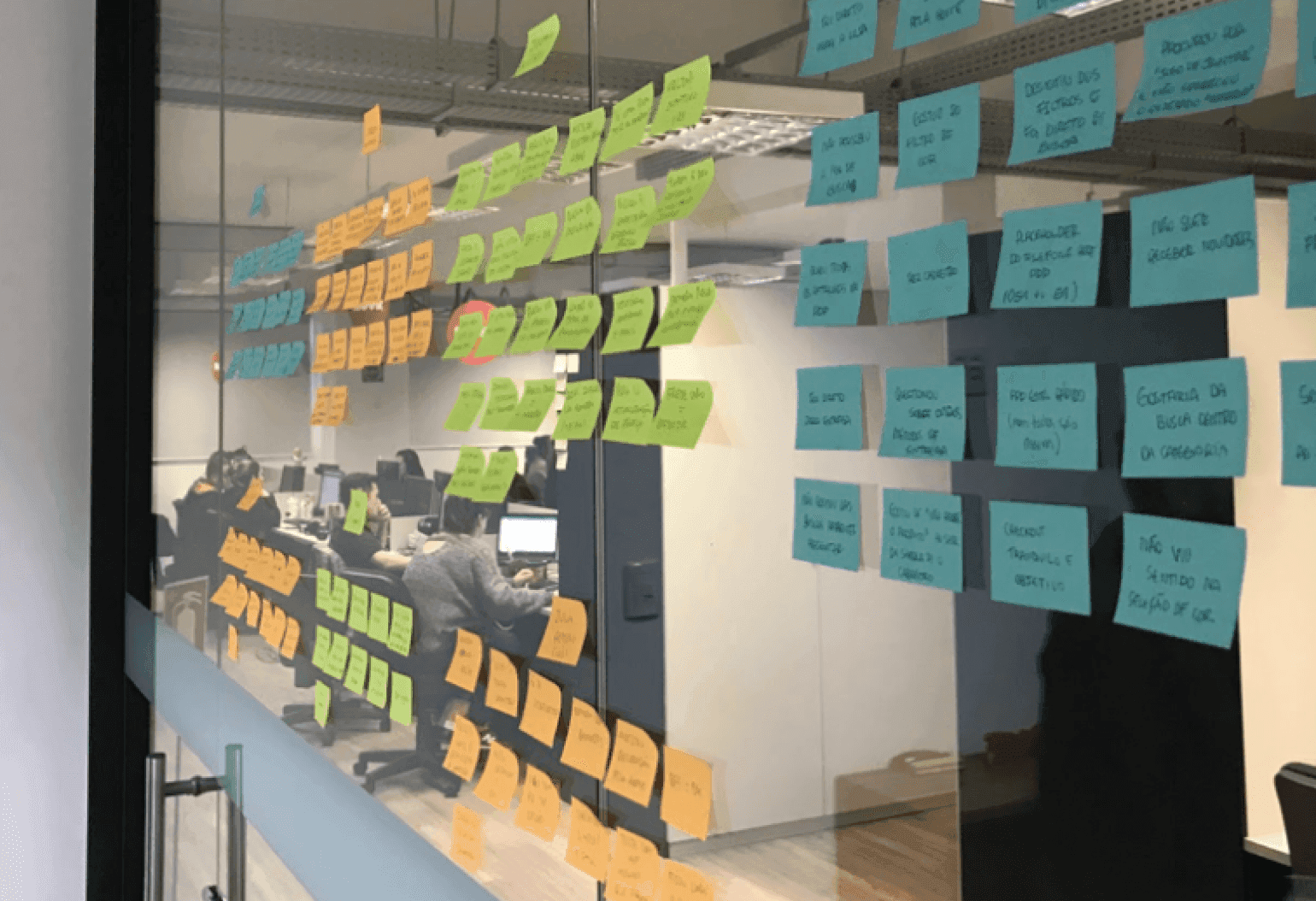
The data were categorized and analyzed, with another designer, to generate a report with points of improvement and insights for the evolution of the product.
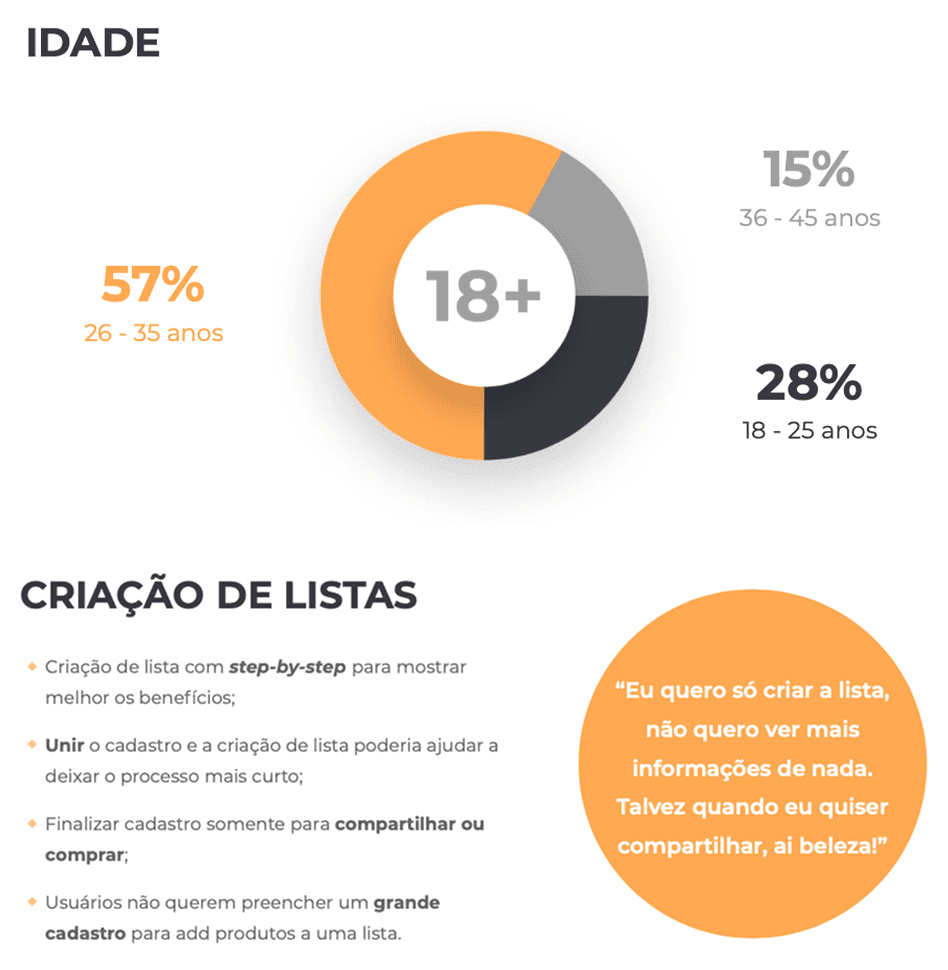
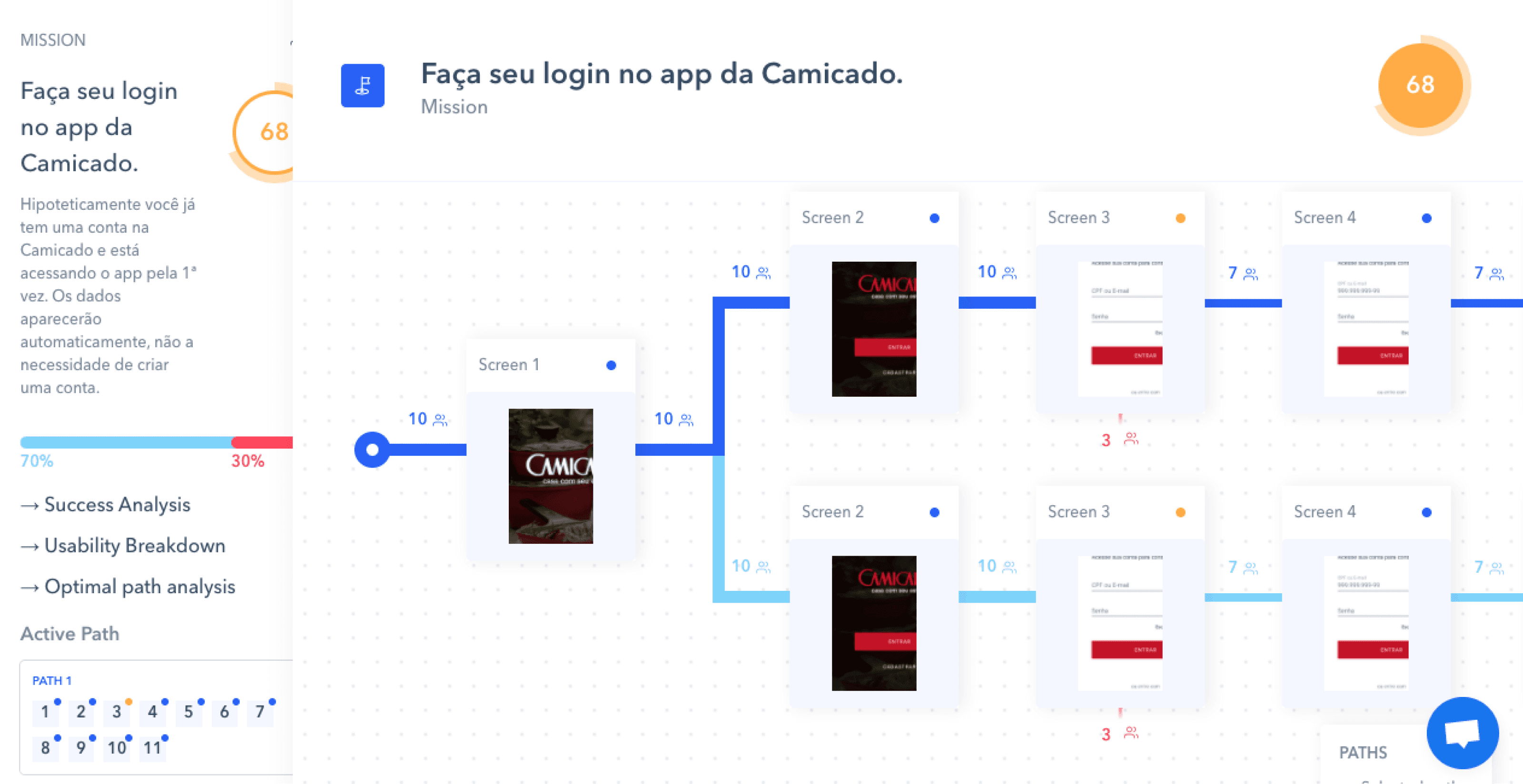
During the pandemic the usability tests became remote, what turned it into a greater challenge. I had some experiences with unmoderated tests using Maze, and some moderated tests using Zoom or Lookback.
Collaboration
I believe that the user experience must be constructed by the whole team, taking advantage of multidisciplinarity to deliver a great product.
Whenever possible, I include the team in dynamic activities, in order to create a diversity of ideas, also keeping them as the owners of the product, like the business area.
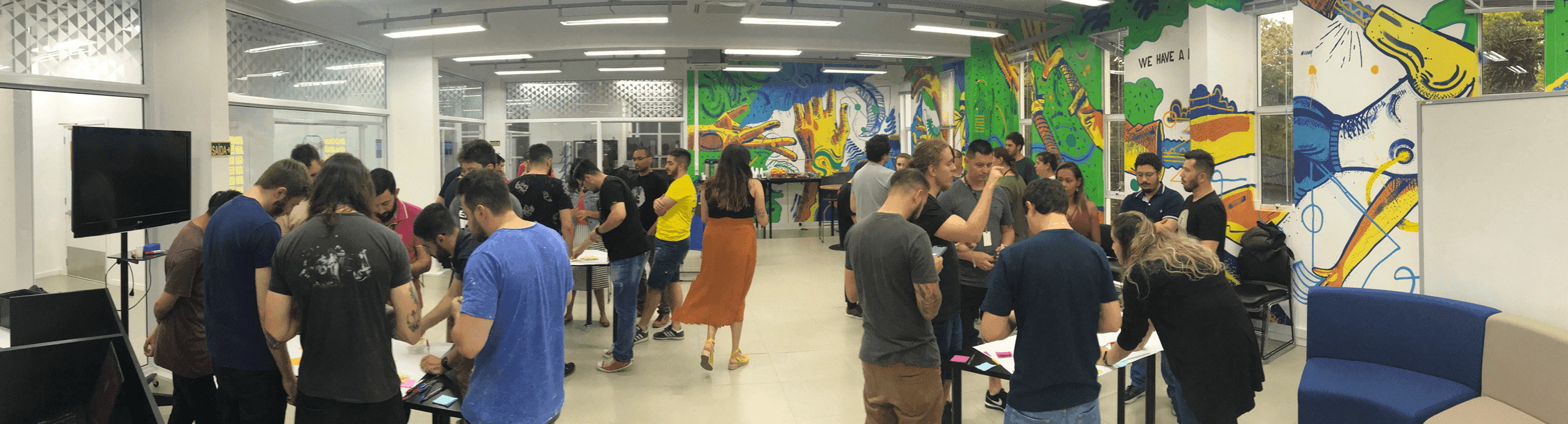
Due to an issue in the back-end, we had to review the checkout functionality. I invited the team to gather in a room in order to build the flow together.
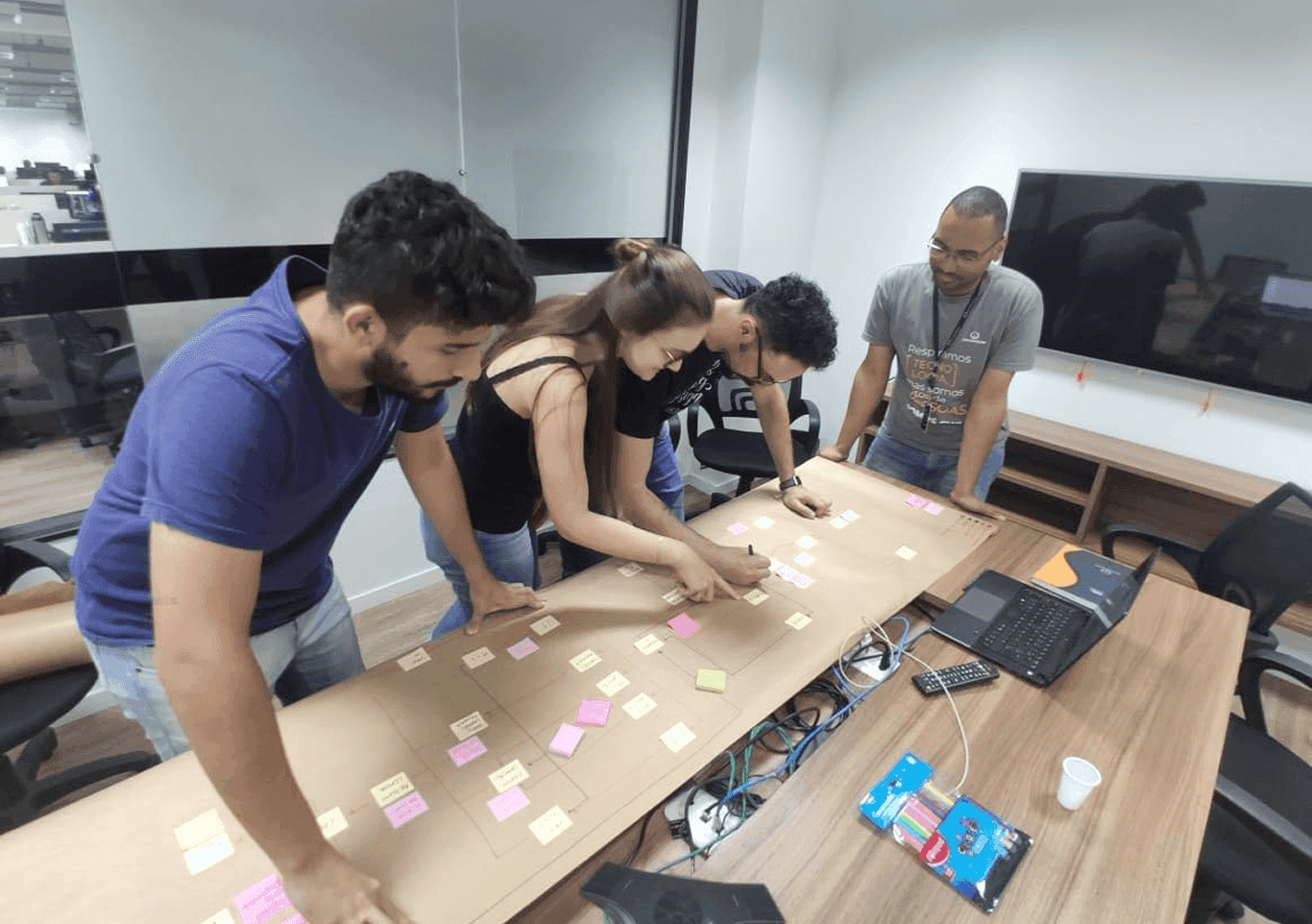
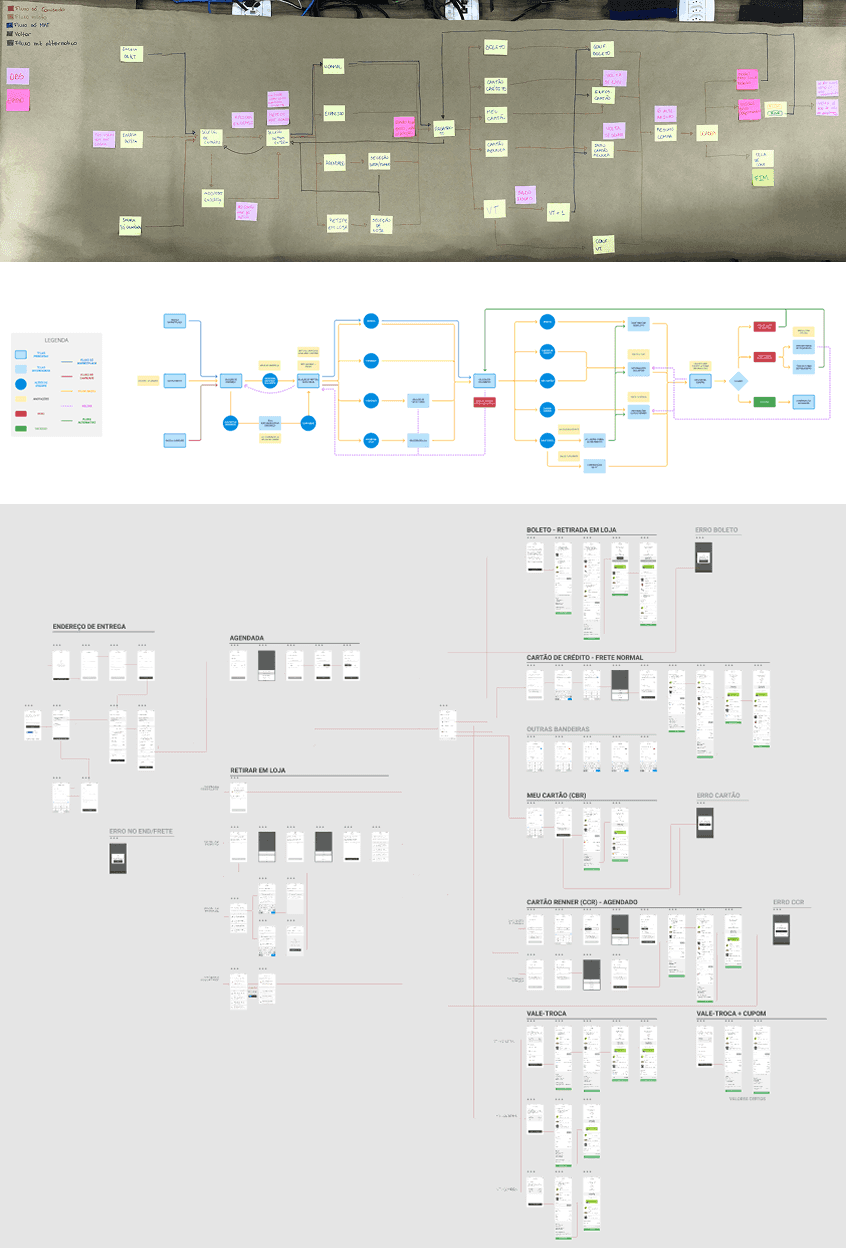
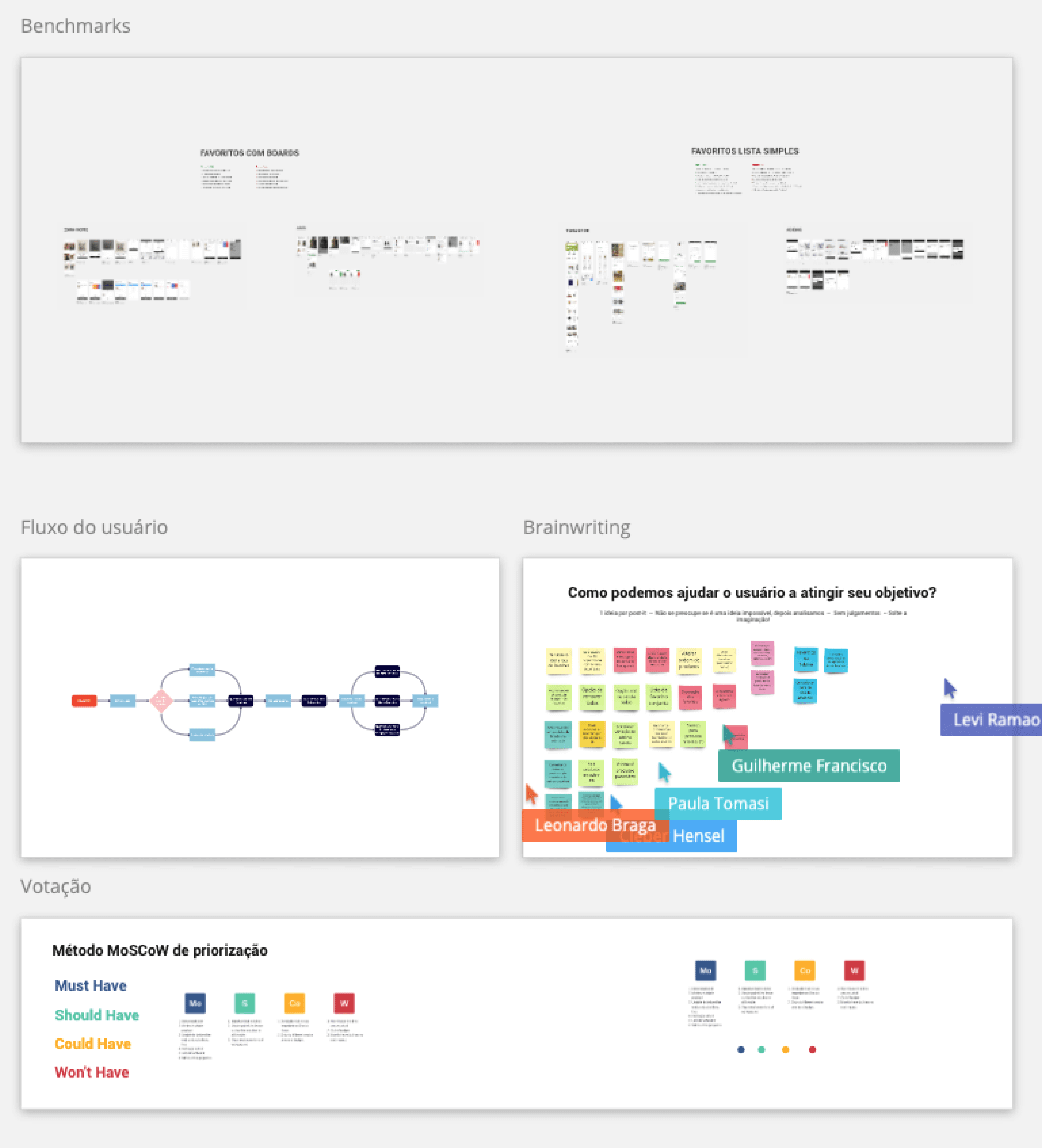
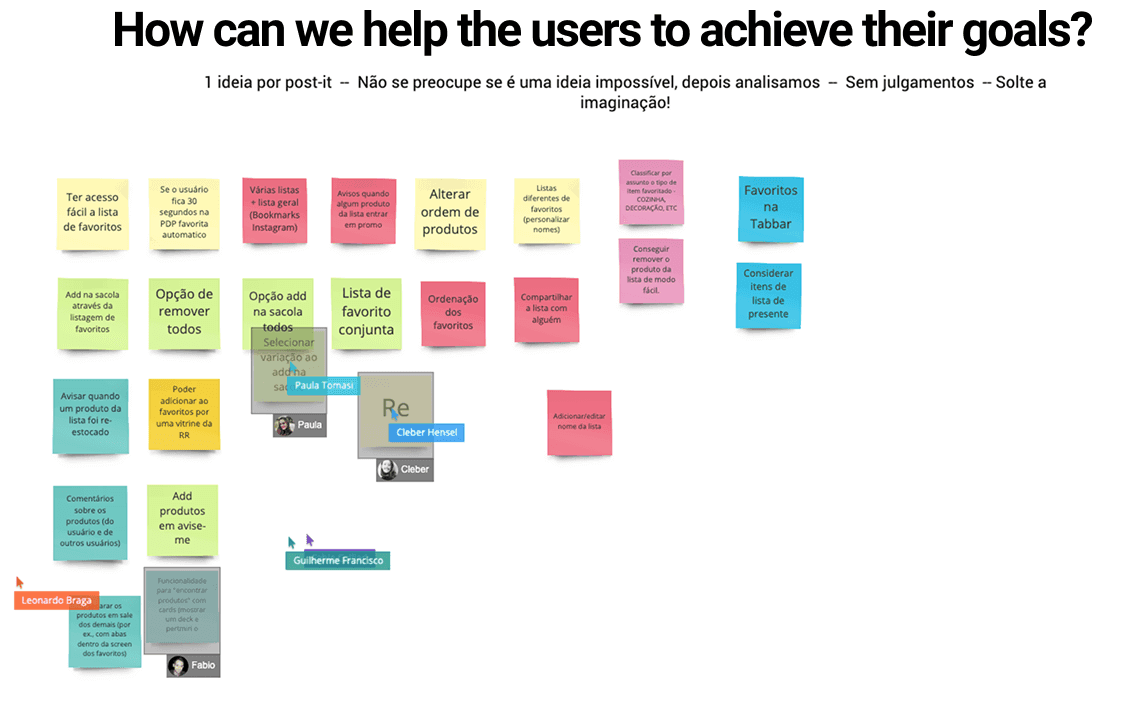
Because of the social distancing in 2020, I used Miro platform to construct a feature with the team. We analyzed benchmarks and constructed the user’s flow, so that we could generate ideas and prioritize them with the MoSCoW method.
MVP Results
We released the MVP at PlayStore and App Store in May 2019, and it had a good start, providing financial return to the client and growth for the company.
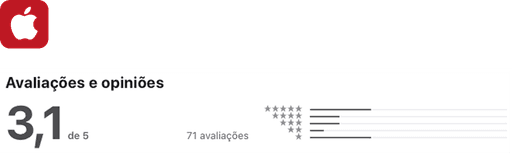
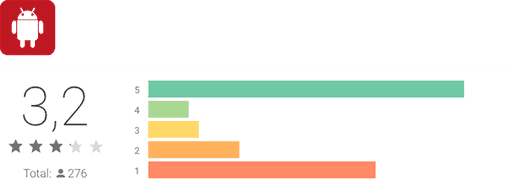
In October 2019, the PO shared with the us some relevant data about the application. In that year we overcame the goals.
Goals and KPIs
🎯
Target 2019
Share: 3% per year
Audience: 5% in E-com
✅
October 2019
E-commerce share: 13%
Audience: 25%
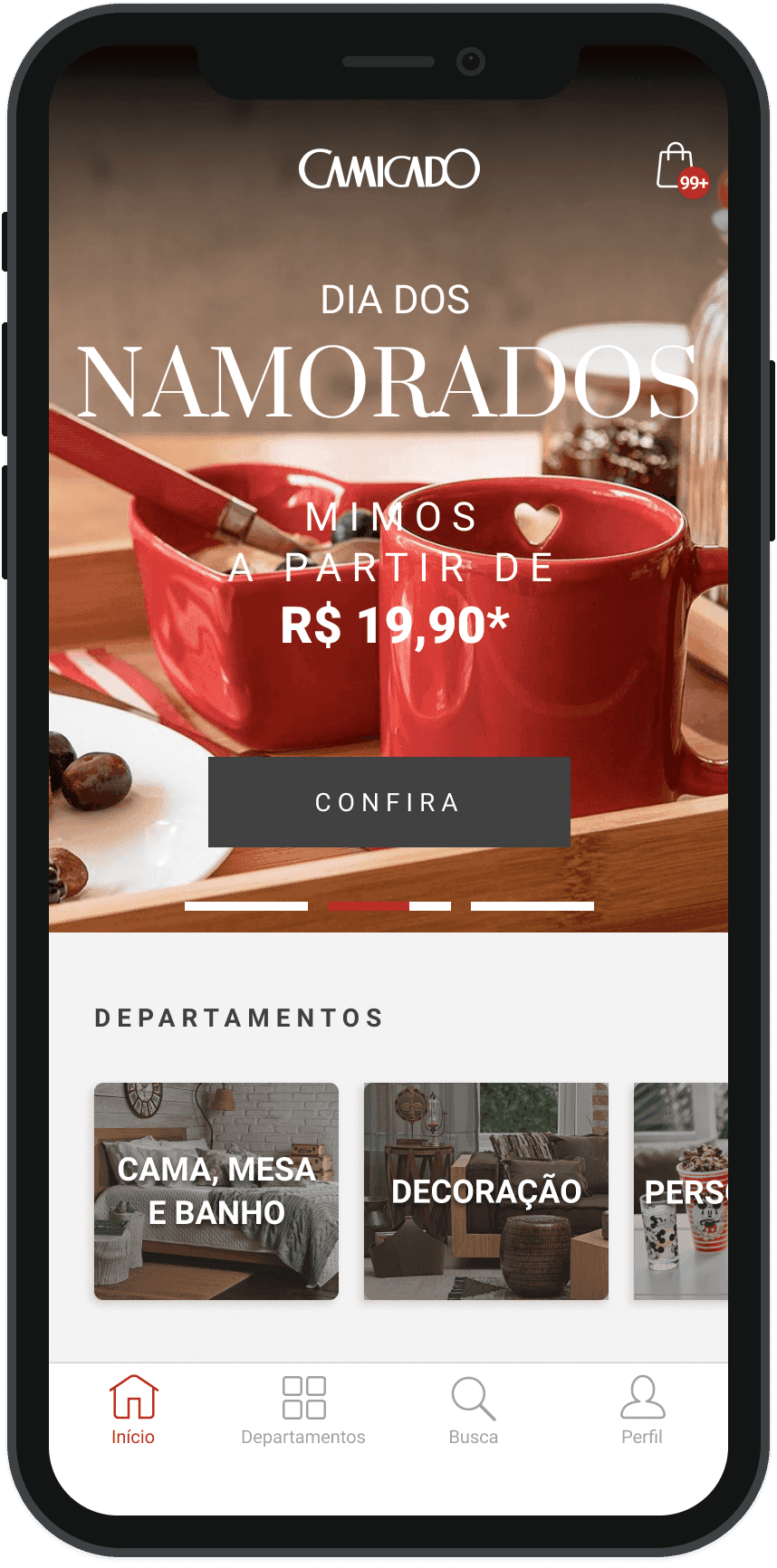
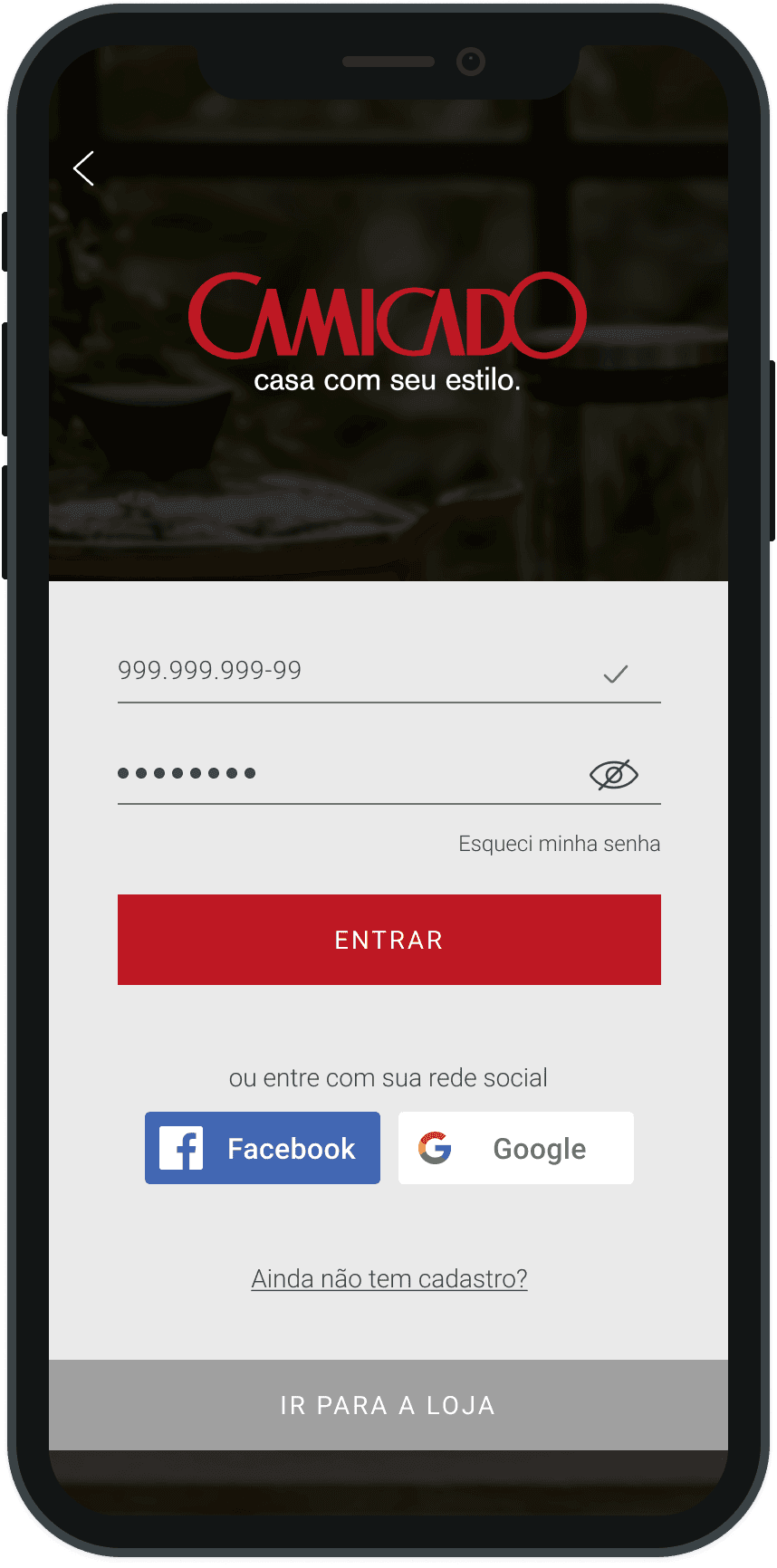
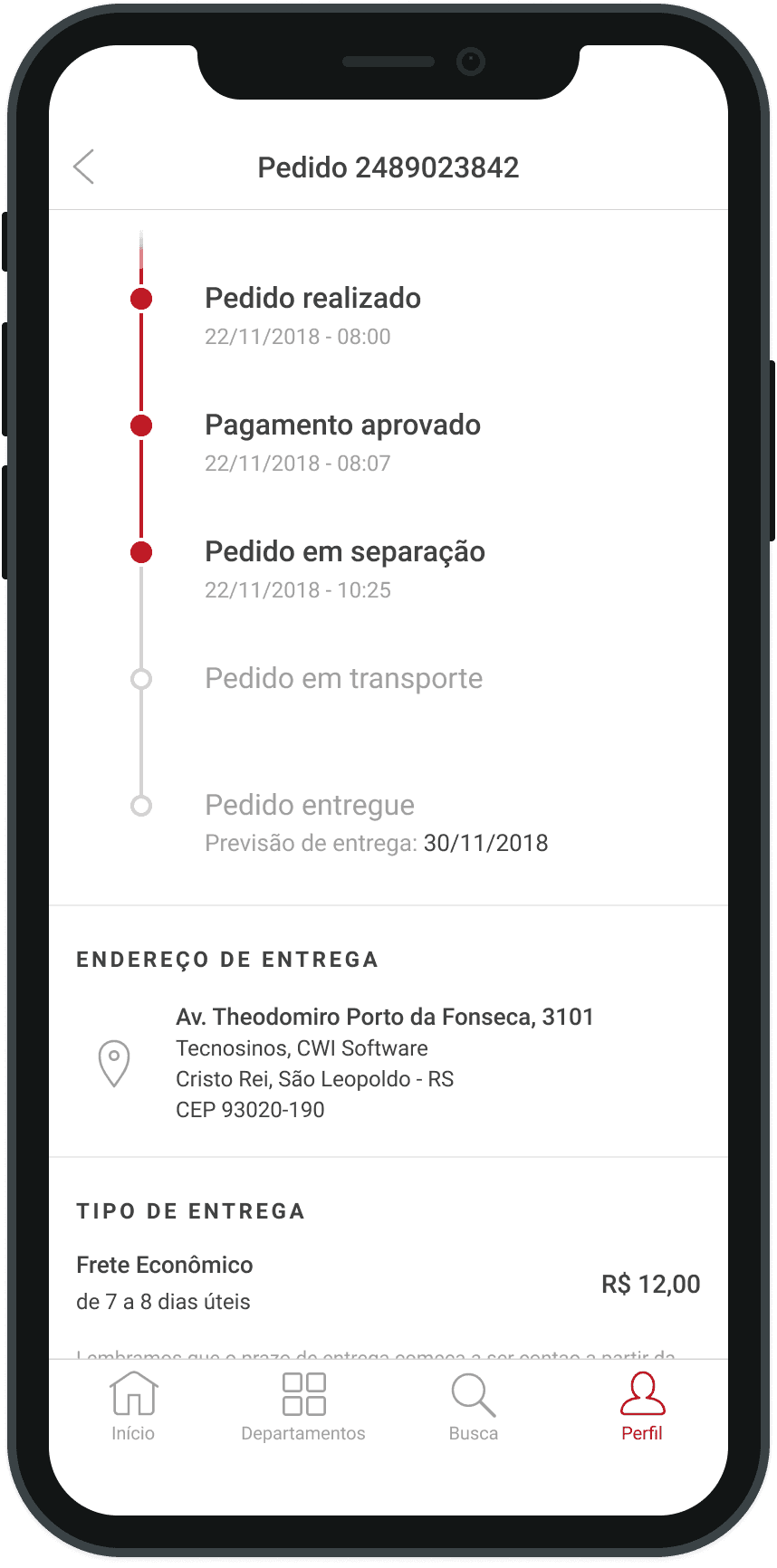
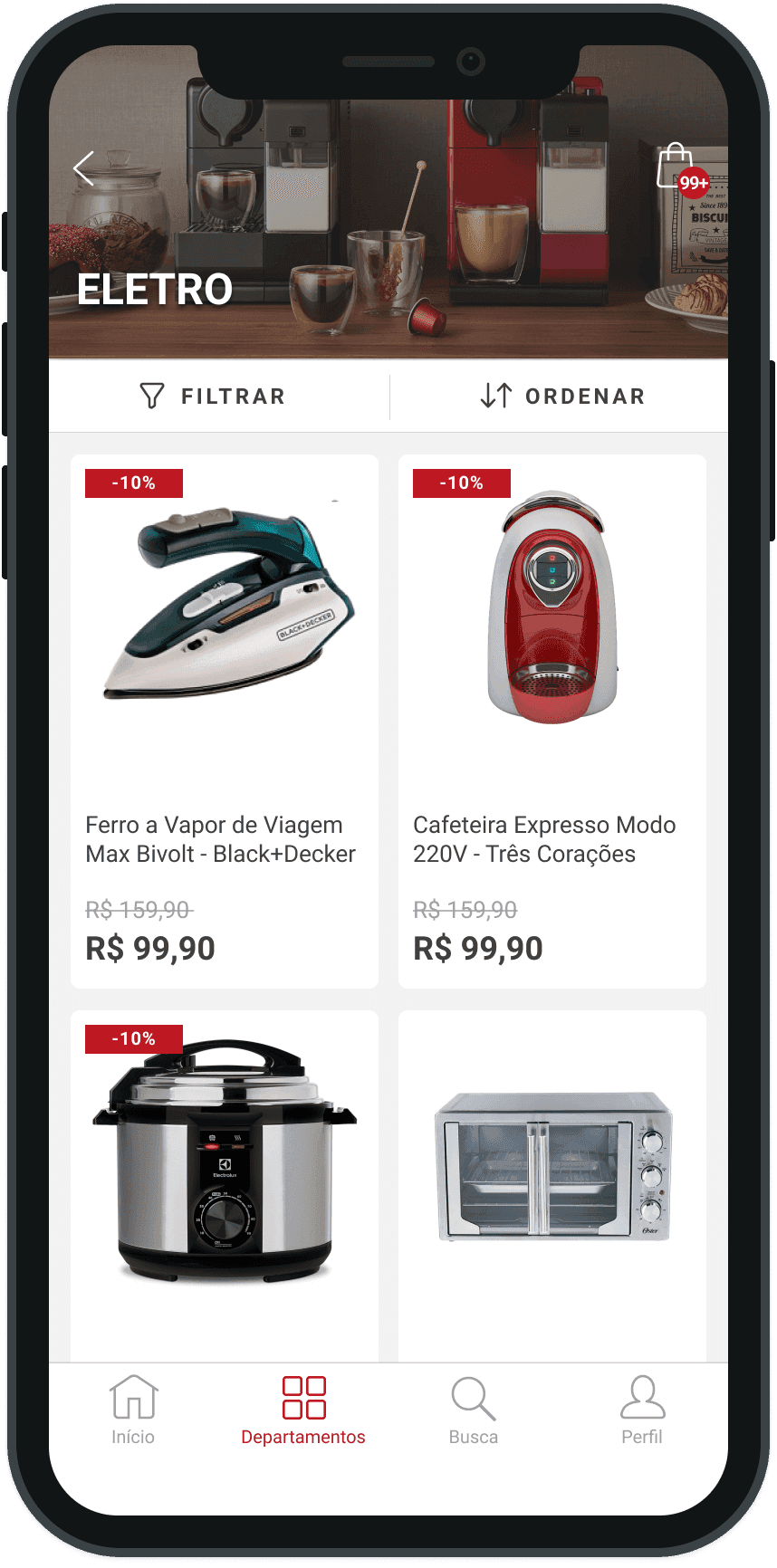
Evolution of App
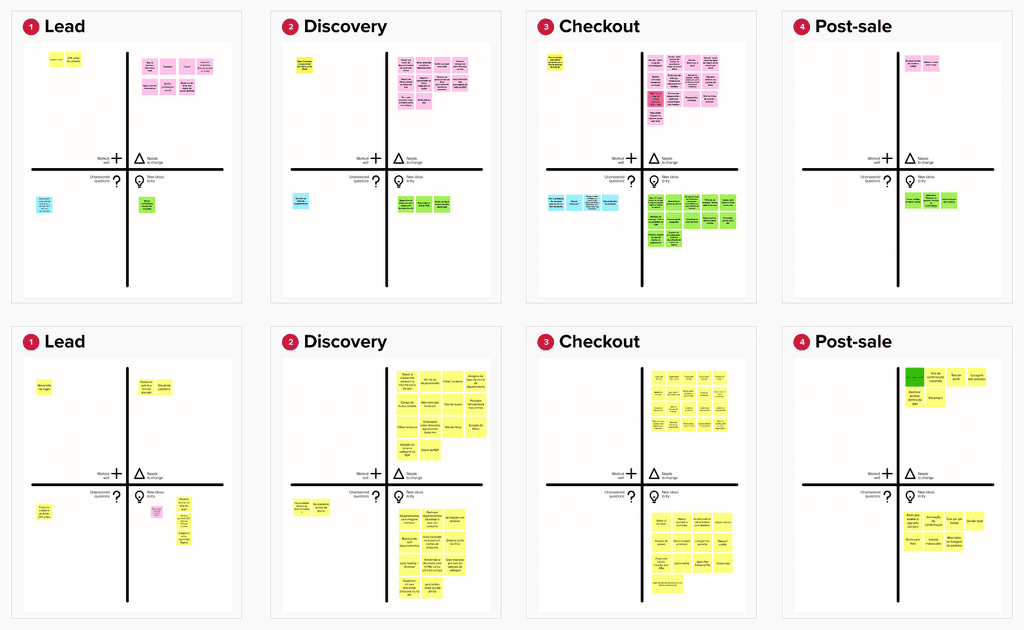
After the release, we started a new phase. I organized an evaluation dynamic to analyze all points of the product and generate insights for the report. The development team and the client’s UX team attended different sessions, hence generating a vast list of improvements.
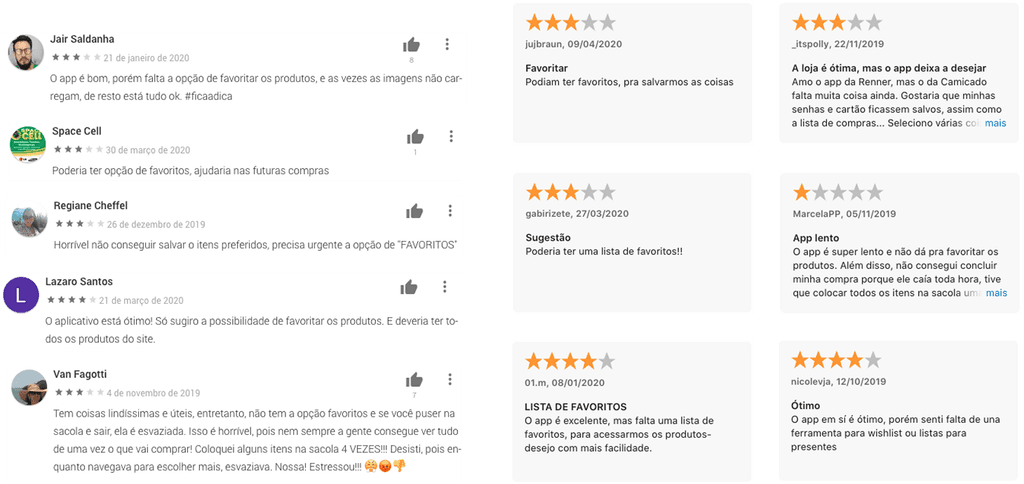
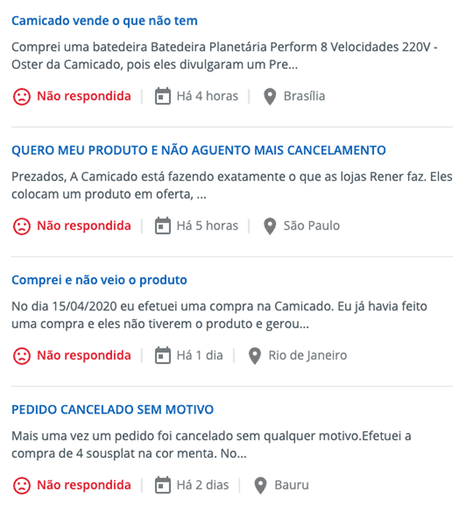
In addition to the improvements raised with the team, I did a research in PlayStore, App Store a Reclame Aqui reviews, to collect information about pain points of users. Insights from this research have been added to the report presented to the PO. After this, we did an effort x value analysis, the priorities for the backlog were defined.
Developing
In August 2020, I left the Camicado project to be part of Core Apps at Via Varejo. Some demands created were still under development and may go into production soon:
Special Campaigns
Voice Search
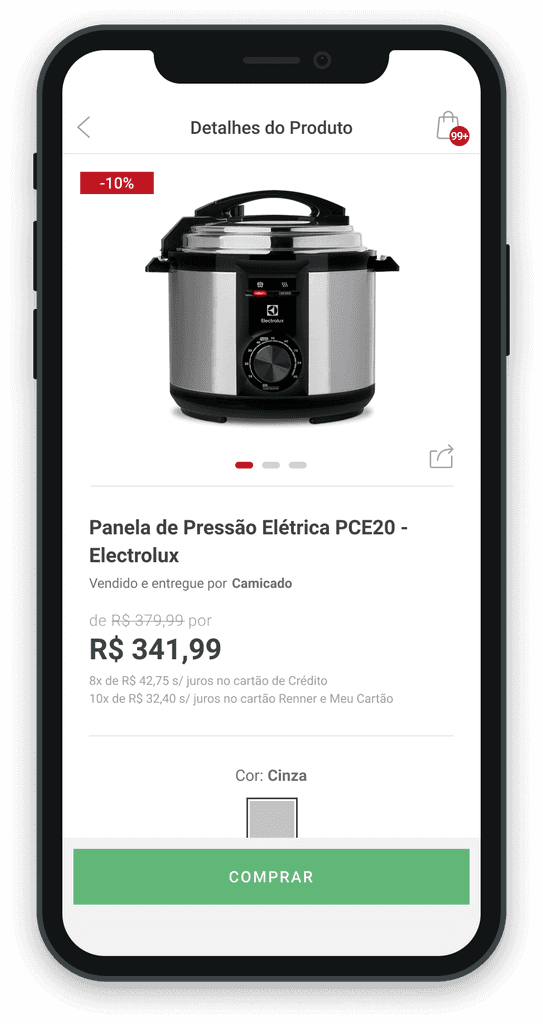
Favorites
Snack Bar
New Account Screen
Gift Card
Cart Product Carousel
In addition, I had started to build a new Style Guide that would be more organized and structured for both designers and developers to view.
Main learnings
Product overview and backlog construction;
Dealing with Product Owner exchanges (3 times) and with the priority changes of demands made by the business team;
Facilitating face-to-face and remote co-creation dynamics;
Collaboration with business areas and developers;
In-person and remote usability testing;
Icon creation;
Style guide construction.